Boutique Memory Care Environments That Nurture and Support
Wiki Article
Everything About Memory Care Providers: Why Small Memory Care Residences Are a Great Option
Memory treatment solutions play a vital role in sustaining people with Alzheimer's and mental deterioration. Little memory care homes stand out for their personalized strategy and intimate setup. With lower staff-to-resident proportions, these homes cultivate stronger connections and customized treatment. Locals gain from improved social interactions and a safe setting. As households explore alternatives, comprehending the distinct advantages of little memory care homes ends up being crucial. What aspects should be taken into consideration when choosing the right home?Comprehending Memory Treatment Provider
While many might be familiar with general senior care alternatives, understanding memory care solutions is essential for households dealing with the challenges of cognitive decline. Memory care especially caters to people with problems such as Alzheimer's illness and various other forms of dementia. These services offer a structured setting that concentrates on boosting the quality of life for residents via specialized care and support.Memory treatment centers are designed to guarantee security and security, frequently including safeguarded atmospheres to stop roaming. Educated personnel are readily available all the time to aid with daily activities, medicine monitoring, and personal care. Furthermore, memory treatment programs usually include cognitive excitement tasks, customized to engage residents and advertise mental wellness. Households can take advantage of understanding these services, as they make it possible for educated choices concerning their liked ones' treatment, making certain that their certain demands and choices are addressed in a caring and encouraging fashion.The Benefits of Small Memory Care Homes
Small memory care homes offer unique advantages that can substantially boost the lifestyle for locals with cognitive impairments. One substantial advantage is the intimate environment, which permits personalized interactions among staff and homeowners. This smaller sized setting promotes purposeful relationships, reducing sensations of isolation and stress and anxiety commonly experienced by people with memory issues.Additionally, the lower staff-to-resident proportion in small memory treatment homes makes it possible for caregivers to give even more alert guidance and support. This strategy not only improves security but also advertises a feeling of security for the residents.Moreover, tiny memory care homes can adjust swiftly to the unique needs and choices of each local, allowing for a much more homey environment. Such an environment can urge social interaction and participation in tasks, inevitably improving the day-to-day experiences of those living with cognitive disabilities.Personalized Treatment Plans for Locals
Individualized treatment strategies are crucial in memory treatment homes, as they accommodate the distinct demands and choices of each resident. These plans start with thorough evaluations performed by knowledgeable specialists, who examine cognitive capacities, case history, and personal rate of interests. This customized strategy warranties that care is not only efficient however additionally considerate of each individual's self-respect and autonomy.Moreover, individualized care strategies are flexible, enabling modifications as residents' needs evolve with time. This adaptability cultivates a complacency and experience, which is crucial for people dealing with memory challenges. Caregivers are trained to implement these strategies continually, providing support that straightens with the citizens' regimens and preferences.Ultimately, individualized treatment plans enhance the lifestyle for locals by promoting freedom, engagement, and wellness, making them a fundamental aspect of memory care solutions in small memory treatment homes.Creating a Home-Like Atmosphere
Producing a home-like environment is important for cultivating comfort and knowledge in memory treatment settings, as it considerably influences citizens' emotional well-being. Small memory treatment homes often focus on personalized touches, such as warm shade schemes, family members pictures, and acquainted furnishings plans, which aid citizens really feel a lot more comfortable. Including elements reminiscent of a typical home, like comfortable living rooms and common locations, urges a sense of belonging.Moreover, making use of all-natural light and outdoor spaces can improve the atmosphere, promoting relaxation and peace. Employee play a substantial duty in keeping this atmosphere by involving with residents in a compassionate manner, treating them like family members. Regular activities, such as cooking or gardening, can also add to a home-like feel, offering possibilities for locals to take part in significant experiences. On the whole, creating a supporting atmosphere supports cognitive feature and psychological stability, making it an essential aspect of memory treatment services.
Improved Social Interaction and Community
Boosted social interaction and area are important components of memory treatment services. By fostering personalized social interaction and developing a family-like atmosphere, these solutions advertise purposeful connections among homeowners. Team occasions and tasks even more motivate involvement, helping people feel more consisted of and sustained.Individualized Social Interaction
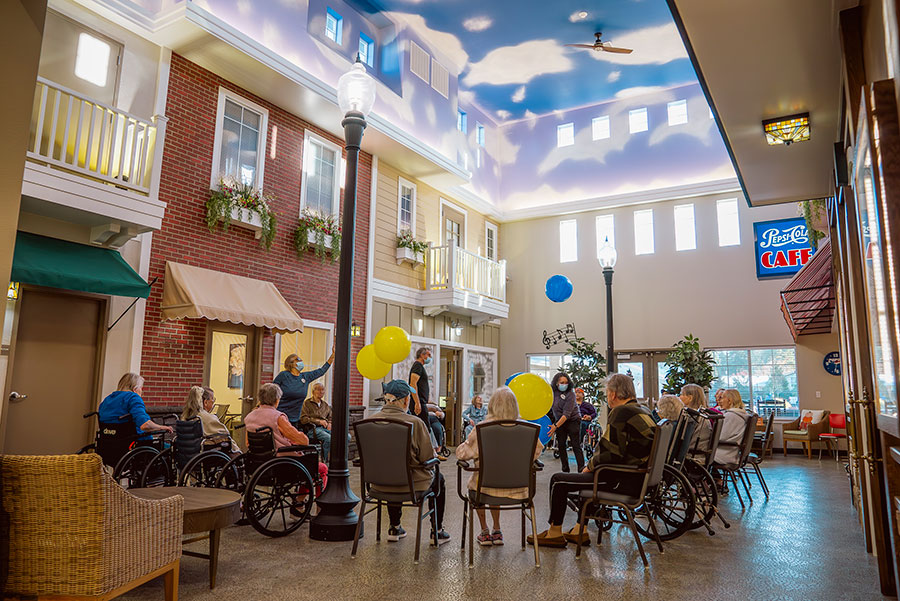
While social communication is important for total health, lots of individuals with memory disabilities often have a hard time to involve meaningfully with others. Personalized social interaction in memory care homes addresses this difficulty by developing tailored tasks that provide to locals' unique interests and capabilities. By concentrating on private preferences, caregivers can promote links that reverberate deeply with each person. Activities such as art therapy, music sessions, and directed discussions promote cognitive excitement and psychological expression. Additionally, tiny group settings encourage friendship and enable even more intimate communications, enhancing feelings of belonging. This technique not just combats sensations of seclusion however also empowers residents to keep a feeling of identity, eventually contributing to enhanced psychological health and wellness and quality of life.Family-like Ambience
In a memory care setup, promoting a family-like environment greatly improves social communication and develops a feeling of area among residents. Smaller sized memory treatment homes usually focus on intimate atmospheres, enabling residents to create closer links with each other and personnel. This nurturing ambience promotes trust fund, which is crucial for people with memory impairments. Residents are more probable to engage in conversations and share experiences, producing a supportive network that relieves sensations of solitude. The experience of shared areas and routines adds to a sense of belonging, additionally motivating social communication (personalized memory care). In such settings, emotional bonds thrive, leading to boosted overall health and a better of life for homeowners as they navigate their everyday experiences with each otherGroup Activities and Events
Safety and Protection Features in Little Houses
Lots of tiny homes created for memory care include crucial security and safety and security functions to assure the health of citizens. These homes often make use of safe access and departure factors to stop wandering, an usual problem among individuals with memory problems. Furthermore, monitoring systems and alarm system devices boost tracking, ensuring that personnel can without delay react to any type of unusual activities.Interior layouts are tailored for safety and security, with lessened hazards such as clutter-free paths and sharp corners. Handrails and non-slip floor covering are typically mounted to decrease the threat of drops. Personnel are learnt emergency situation procedures, ensuring they are gotten ready for different situations.Moreover, personalized care strategies might consist of analysis of private safety demands, giving customized solutions for each citizen. On the whole, these safety and security features produce a nurturing setting where residents can grow while keeping their dignity and freedom.How to Choose the Right Memory Treatment Home
Exactly how can households ensure they select the most ideal memory care home for their enjoyed ones? The choice needs cautious factor to consider of a number of aspects. Family members must evaluate the center's personnel credentials and training, guaranteeing that caretakers are experienced in taking care of memory-related problems. Next, it's vital to evaluate the home's atmosphere, concentrating on safety attributes and whether it fosters a feeling of community and belonging. Checking out the center can offer insight right into daily activities and the social environment, which are vital for mental excitement and emotional well-being. In addition, family members should inquire regarding the care strategies supplied, ensuring they are customized to specific requirements. Ultimately, taking into consideration the home's area and accessibility for household sees can add to a smoother change. By addressing these aspects, family members can make an enlightened decision that prioritizes their liked one's convenience and lifestyle in a memory treatment setting.Frequently Asked Questions
What Qualifications Should Team Members in Memory Care Homes Have?
Team members in memory care homes should have relevant qualifications, experience in dementia treatment, solid communication skills, and concern. Ongoing training in behavioral management and therapeutic interventions boosts their capacity to sustain locals successfully.Exactly How Do Memory Care Solutions Differ From Typical Assisted Living?
Memory care solutions focus particularly on individuals with memory impairments, offering specific assistance and organized settings. In comparison, conventional assisted living offers general assistance with day-to-day activities, lacking the tailored technique needed for those with cognitive challenges.What Kinds of Tasks Are Used in Memory Treatment Homes?
Memory care homes generally supply a range of activities made to engage citizens. Typical choices include art treatment, songs sessions, cognitive games, exercises, gardening, and social events, all focused on boosting wellness and cognitive function.Can Residents Bring Their Own Belongings to Memory Care Homes?
Locals can generally bring their very own possessions to boutique memory care memory care homes, allowing them to individualize their living space - personalized memory care. This practice assists produce an acquainted atmosphere, advertising convenience and a feeling of identification for the individuals
Just How Are Member Of The Family Entailed in the Treatment Process?
Family participants play an important function in the treatment process, often participating in decision-making, attending care conferences, and providing psychological assistance. Their involvement promotes a collaborative setting, enhancing the citizen's total wellness and top quality of life. While many may be familiar with basic elderly treatment alternatives, recognizing memory treatment solutions is necessary for family members facing the difficulties of cognitive decline. These solutions provide an organized atmosphere that concentrates on improving the quality of life for citizens with specialized care and support.Memory treatment centers are developed to ensure safety and security and safety, commonly including secured environments to stop straying. Individualized care plans are essential in memory care homes, as they cater to the special needs and preferences of each local. Personnel members in memory treatment homes should possess appropriate certifications, experience in mental deterioration treatment, solid communication skills, and concern. Memory treatment solutions focus especially on people with memory impairments, providing specialized assistance and organized environments.Report this wiki page